Last updated: November 2026.
Vietnam is long and narrow: more than 1,600 kilometers from Hanoi in the north to Ho Chi Minh City in the south. Getting around is easy and affordable, but choosing the right transport makes a big difference to how much you see and how tired you are. This page gives you an overview of the options and links to our detailed guides.
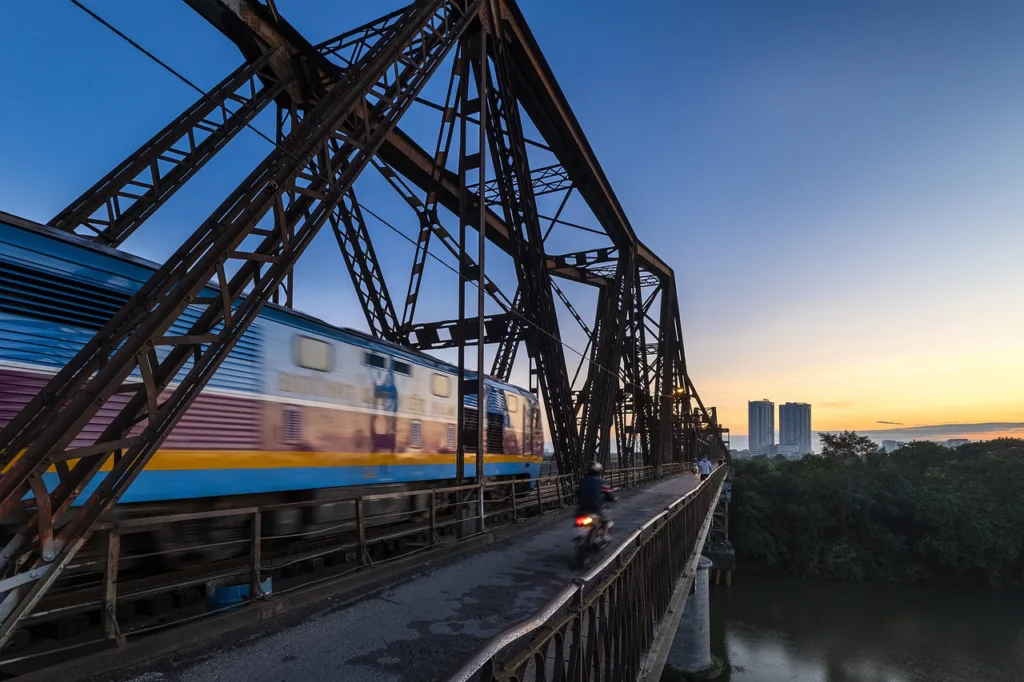
Your transport options at a glance
| Transport | Best for | Read more |
|---|---|---|
| Domestic flights | Long distances, such as Hanoi to Ho Chi Minh City or Da Nang to Phu Quoc | Domestic Flights |
| Train | Overnight journeys and scenic routes, such as Hanoi to Hue or Hue to Da Nang | Vietnam by Train |
| Bus and limousine van | Places without a railway or airport, such as Sapa, Ha Giang, Ninh Binh and Da Lat | Buses |
| Taxi and ride-hailing apps | Getting around cities and to and from the airport | Taxis |
| Private car with driver | Day trips and shorter routes between cities, especially with a family or group | Taxis |
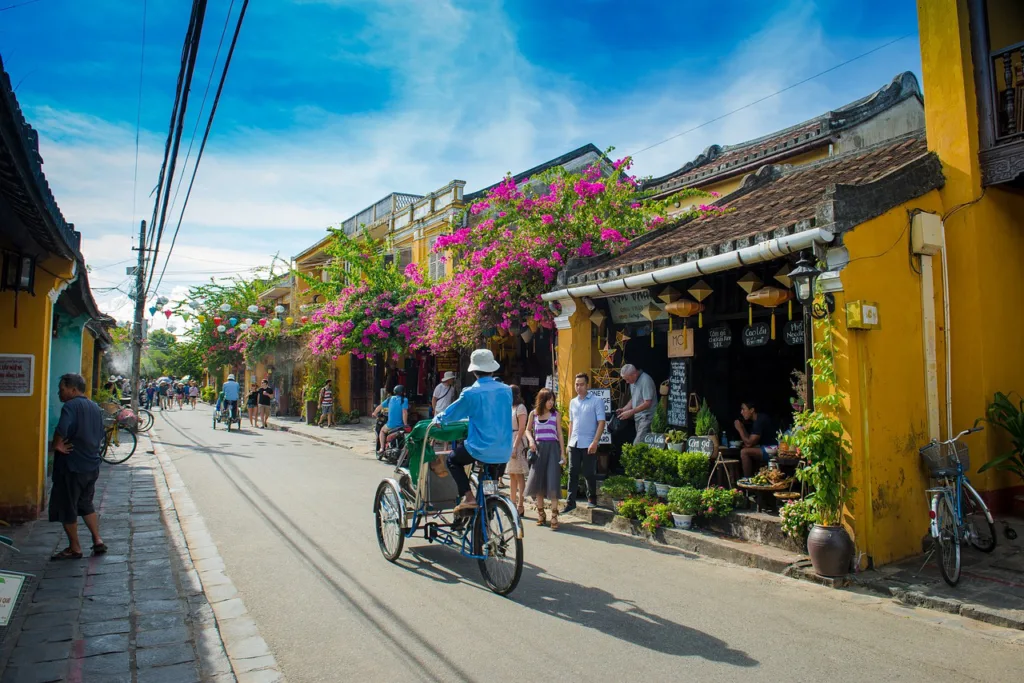
| Cyclo | A slow, traditional ride through a city center | Cyclo |
Which transport for which route?
A typical route from north to south, with the transport most travelers choose:
| Route | Our tip | Alternative |
|---|---|---|
| Hanoi to Ninh Binh | Limousine van (about 2 hours) | Train or private car |
| Hanoi to Halong Bay | Transfer included with your cruise | Limousine van |
| Hanoi to Sapa | Bus or limousine van directly to Sapa town | Night train to Lao Cai, then 35 km by road |
| Hanoi to Hue or Da Nang | Night train or a 1.5-hour flight | Sleeper bus |
| Hue to Hoi An | Heritage train to Da Nang over the Hai Van Pass, then 45 minutes by car | Private car with stops on the Hai Van Pass |
| Da Nang to Ho Chi Minh City | Flight (about 1 hour 20 minutes) | Night train |
| Ho Chi Minh City to the Mekong Delta | Bus or day tour | Private car |
| Ho Chi Minh City to Phu Quoc | Flight (about 1 hour) | Bus and ferry |
Our advice: combine. Fly the long stretches, take the train or bus where the route is beautiful, and use a private car for day trips. That way you save time without missing the scenery.
Getting around in the cities
- Ride-hailing apps: Grab, Green SM and Be are the easiest way to get around Hanoi, Ho Chi Minh City, Da Nang and other cities. You see the price in advance and can pay by card. Read our Taxis page for tips and how to avoid being overcharged.
- Metro: Ho Chi Minh City’s first metro line opened in December 2024, from Ben Thanh market in the center to the eastern suburbs. Hanoi has two metro lines. They are clean, cheap and air-conditioned, but cover only part of the city.
- City buses: cheap and increasingly modern, with electric buses in Hanoi and Ho Chi Minh City. Google Maps shows the bus routes, but most travelers find apps easier.
- Walking: the old centers of Hanoi, Hoi An and Hue are best explored on foot.
How to cross the street: traffic in Vietnamese cities can be overwhelming. Walk slowly and at a steady pace, don’t stop suddenly and don’t run: motorbikes will steer around you. Watch out for cars and buses, which don’t swerve as easily.
Renting a motorbike or scooter
Many travelers rent a scooter, especially in quieter places such as Hoi An, Phu Quoc or for the Ha Giang Loop. Think carefully before you do:
- You need a valid license. To ride legally, you need a motorcycle license and a valid International Driving Permit, or a Vietnamese license. Without one you risk a fine, and your travel insurance will most likely not cover you after an accident.
- Traffic is chaotic. City traffic in Hanoi and Ho Chi Minh City is not a place to learn to ride.
- Always wear a helmet, which is required by law, and check the brakes and lights before you set off.
If you are not an experienced rider, consider a motorbike taxi or an “easy rider” tour with a local driver instead. You get the same experience without the risk.
Practical tips
- Book ahead around holidays. During Tet (the Lunar New Year) and in the Vietnamese summer holidays (June to August), flights, trains and buses fill up quickly.
- Allow extra time. Traffic, weather and delays are part of traveling in Vietnam. Don’t plan tight connections.
- Stay connected. An eSIM or local SIM card makes booking rides and checking routes much easier. See our eSIM page.
- Carry some cash. Not everyone accepts cards, especially outside the cities. See our Money page.
Planning how to get to Vietnam? Read our Getting There guide.